When I was 15, I went to see a dermatologist for my severe bacne and – even worse – *chacne*, aka back and chest acne for the uninitiated. While there, I was also diagnosed with rosacea, the medical condition responsible for my extremely rosy cheeks and nose, that more often than not felt hot, itchy, and bumpy.
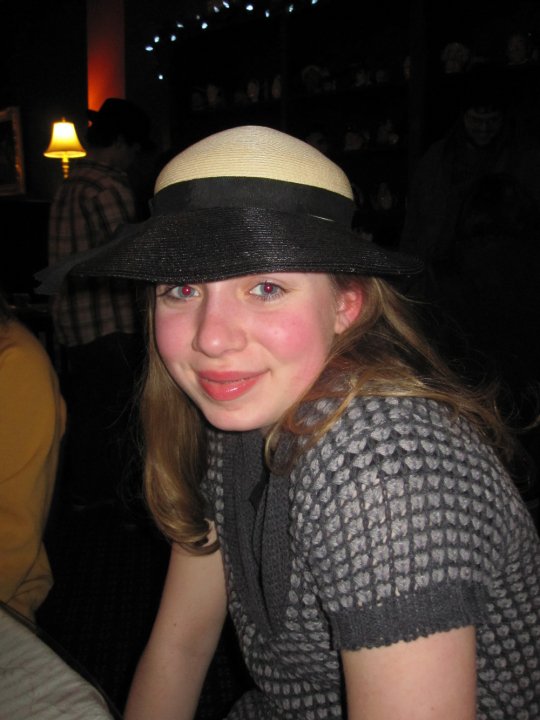
As the years progressed, the redness and irritation only grew more frequent and more severe – even affecting my eyes and eyelids – which in addition to being uncomfortable and at times painful, made me incredibly self conscious.
Because without treatment, rosacea will only continue to worsen, I decided it was time to bite the bullet and build a skincare routine.
I’d been a Neutrogena girl for as long as I could remember, my skincare regime consisting solely of their grapefruit oil-free acne face and body wash, daily moisturizer with spf 50, and oil-free moisturizer for sensitive skin before bed.
My first move was to switch up my face wash to Shamanuti’s Organic Activated Charcoal Cleanser, followed by ditching my nighttime moisturizer for Nyakio’s Maracuja and Yangu Rescue Oil, both of which are specially formulated for red, sensitive skin. After that, I added in Curology for a dose of niacinamide, azelaic acid, and clindamycin to further reduce redness and improve my skin’s overall texture.
This only lasted for about a year, as my miracle face oil was discontinued (though it has since been brought back, *snaps*) and Curology, while effective, turned out to be a major hassle. In response, I switched to Tarte’s Maracuja Oil, replaced my curology with a cocktail of The Ordinary’s Azelaic Acid, Niacinamide, and Hyaluronic Acid, and started using Milk Makeup’s Matcha Cleanser, Watermelon Brightening Serum, and Cooling Water.
When I started my first big girl jobTM, unsure of what to do with all my extra disposable income, I decided to do what any beauty obsessed person would do; go nuts at Sephora. In addition to a plethora of makeup, I picked up some new fancy skincare. I also discovered Glossier’s skincare range, scooping up a bottle of the cult favorite Solution and their Priming Moisturizer Rich along with my usual Boy Brow and Generation G.
I now had separate skincare regimes for morning and evening:
AM: rinse with warm water, a swipe of Solution, a “smoothie” of Drunk Elephant’s C-FirmaTM & B-HydraTM Intensive Hydration, followed by La Roche-Posay’s Anthelios Ultra Light Sunscreen Fluid SPF 60 and Priming Moisturizer Rich
PM: double cleanse with coconut oil & Mad Hippie’s Cream Cleanser, exfoliate with Drunk Elephant’s T.L.C. FramboosTM Glycolic Resurfacing Night Serum, and follow up with their F-BalmTM Electrolyte Waterfacial Mask and Tatcha’s The Silk Peony Melting Eye Cream
These days, my skin is looking better than ever, with only an occasional flare up – usually triggered by stress, something I ate, or too many glasses of red wine (if there even is such a thing.) Since quitting my job this spring, I’ve made a few changes to my overall routine, due to both my significantly decreased skincare budget and personal preference.
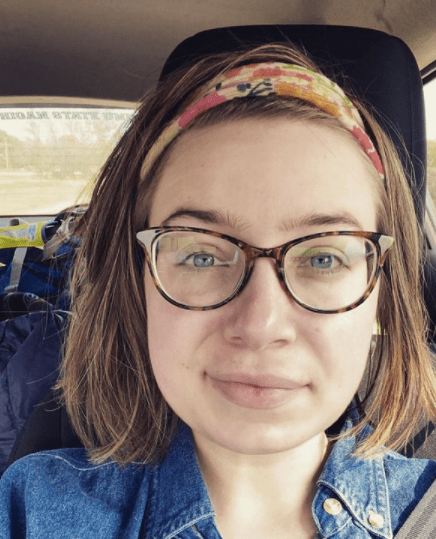
For day, I’ve switched from DE’s vitamin C serum ($80) to Mad Hippie’s ($33.99), swapped out B-Hydra ($48) for The Ordinary’s HA ($8), and added in their Caffeine Solution ($6.70) for my dark circles. For my nighttime routine, I traded in DE’s T.LC. FramboosTM ($90) for Herbivore’s Prism ($54), F-BalmTM ($52) for a combo of Herbivore’s Emerald CBD + Adaptogens Deep Moisture Glow Oil ($58) and The Ordinary’s Niacinamide ($9), and Tatcha’s The Silk Peony ($60) for Mad Hippie’s Eye Cream ($24.99).
Beyond facial products, I’ve begun to count marijuana as a vital part of my ongoing rosacea treatment. Though I initially began using it as a sleep aid at the suggestion of my psychiatrist, both THC and CBD are linked to a reduction in skin irritation and inflammation, key symptoms of rosacea. I also use artificial tears as an extra step in keep my ophthalmologic symptoms in check – my vision is poor enough as it is.
The treatment of non-life-threatening skin conditions is often written off as frivolous and non-essential, but conditions like rosacea, acne, and sebhorreic dermatitis can cause anxiety, depression, and an overall decreased quality of life in addition to physiological pain and discomfort. Beyond this, healthy skin is essential in preventing bacterial, viral, and fungal infections, making the treatment of chronic skin conditions incredibly important.
If you’re struggling with rosacea or a similar condition, you don’t need to just accept it. Treatment is possible. And depending on your individual case, you may see a tremendous reduction in symptoms. Do some research, talk to a dermatologist, develop a skincare routine. You deserve to feel confident and comfortable in your own skin. Don’t let anyone tell you otherwise.
xx Belle
FYI: 1this post is not sponsored 2I’ve included a link to every product listed in this post 3I’m not wearing any makeup in either of the included photos
 Musings From East Johnson Street